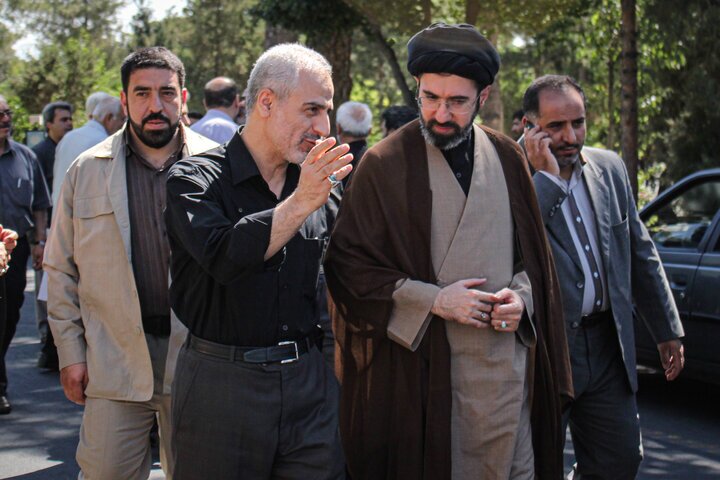
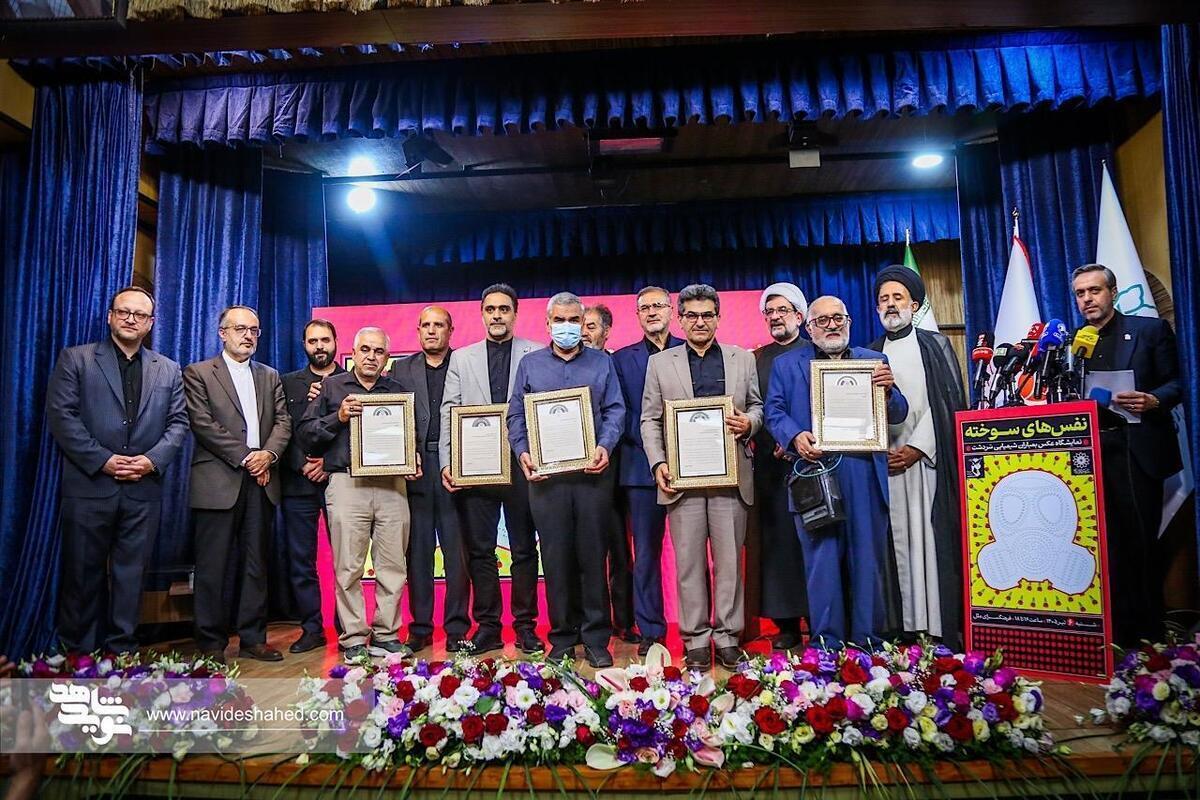
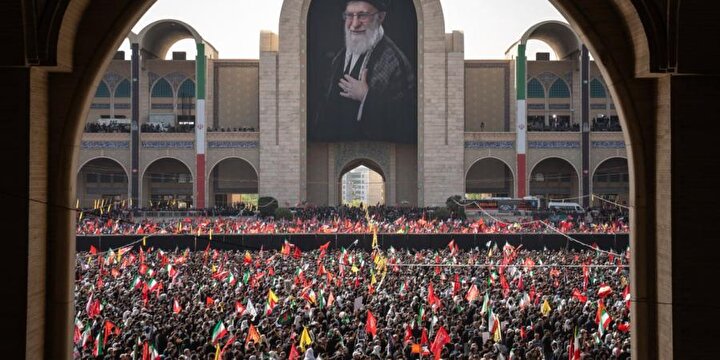
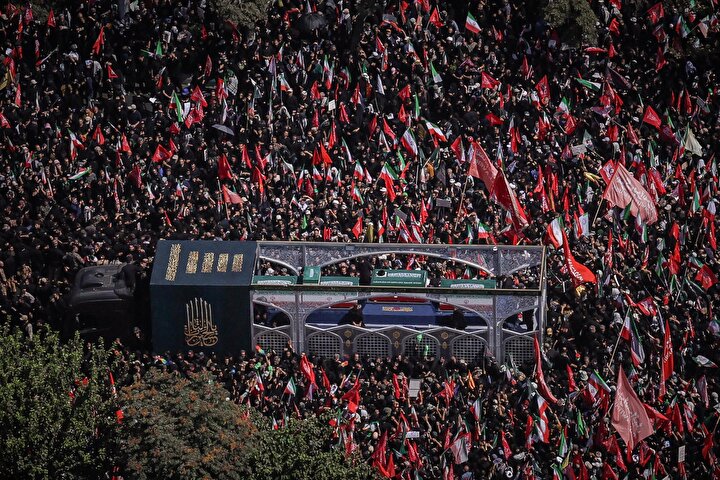
The opening ceremony was attended by senior officials, including Hojjat al-Islam Mousavi-Moghadam, Representative of the Leader at the Martyrs and Veterans Affairs Foundation; Yaghoub Soleimani, Deputy Head for Cultural and Educational Affairs; as well as representatives from the Armed Forces General Staff, veterans, and medical professionals.
During the event, Abbasali Rezaei, Director General of the Martyrs and Veterans Affairs Foundation of Greater Tehran, paid tribute to the sacrifices of the veterans. “Today, our nation’s security and authority are owed to the blood of the martyrs and the sacrifices of the veterans,” Rezaei stated.
He highlighted that Iran is home to 67,000 registered chemical warfare veterans, describing them as “living documents of crimes committed using prohibited weapons.” Rezaei emphasized, “These veterans endure the most complex injuries caused by war. For years, they have lived with respiratory and physical complications, yet they remain steadfast in their commitment to the ideals of the Revolution.” He further asserted that the Islamic Republic of Iran, as a primary victim of mass-destruction weapons and terrorism, has never sought to produce or use such arms.
Call for Justice and International Accountability
Seyyed Kamal Loh-Mousavi, Secretary General of the Association for the Support of Chemical Victims, also addressed the gathering, emphasizing the necessity of presenting the human and legal realities of these crimes to the international community.
Loh-Mousavi detailed the scale of the atrocities, noting that during the eight-year Sacred Defense, Iran was subjected to 572 chemical attacks. These included 311 aerial bombardments, 165 artillery strikes, 79 mortar attacks, 14 helicopter raids, and 3 missile strikes. He noted that over 100,000 Iranians were exposed to chemical agents, with 67,000 currently receiving specialized care for long-term pulmonary, dermatological, ocular, and neurological complications.
The Secretary General strongly criticized the silence of international bodies regarding the Iraqi Ba’athist regime’s use of chemical weapons, despite confirmation by UN inspectors at the time. “This international silence paved the way for the further spread of these weapons,” he argued, calling for legal action against foreign companies that supplied the equipment and materials for the chemical weapons program.
Urgent Demands for Veteran Care
Loh-Mousavi outlined essential demands to improve the lives of chemical veterans, including the establishment of a national health network, specialized rehabilitation centers, enhanced access to specialized medication, and the creation of a national database and museum dedicated to the victims of chemical warfare.
The ceremony concluded with a tribute to a group of chemical warfare veterans and their treating physicians, acknowledging their resilience and tireless efforts in mitigating the suffering caused by these prohibited weapons. The “Burnt Breaths” exhibition is now open to the public, providing a visual narrative of the victims’ resilience, resistance, and the enduring tragedy of chemical warfare.