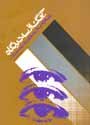
The book starts with examining narrative literature on war; two chapters are assigned to the review of war stories, as well as a study of the elements of these stories. The study has embraced three different view points on the literature of war, IQNA reports. The author has classified war stories as either optimistic, pessimistic or with a third look. He exemplifies the first category, optimistic stories, through works such as ‘The Hanging Bridge’ (Mohammad Reza Bayrami), ‘The Adoration”? (Shahriar Mandani Pour), ‘The Song of Arwand Roud’ (Manijeh Armin), ‘Topless palms’ (Qasemali Farasat) and ‘Signs of Daybreak’ (Ebrahim Hasan Beigi). The second category, pessimistic stories, comprises works such as ‘The Rituals of Pilgrimage’ (Taghi Modarresi) ‘Sorayya in Coma’ and ‘winter of 62’ (both by Esmaeil Fasih), ‘Night of Cricket’ (Javad Mojabi), ‘Mohagh”? (Mansour koushan), and “Suddenly Deluge”? (Mahdi Sahabi). The third chapter, titled ‘The Third Look’, reviews stories such as ‘The Crystal Garden’ (Mohsen Makhmalbaf), ‘The White House’ (Yaghoub Ajand), ‘Burnt Earth’ (Ahmad Mahmoud), ‘Sparrows understand the Heaven’ (Hasan Bani Ameri) and ‘The Hidden Crescent’ (Ali Asghar Shirzadi). ‘The War from Three Viewpoints’ has been published by Sareer publishing house, an affiliate of the Foundation of Preservation of Sacred Defense Heritage, in 3000 copies. The author, Mohammad Haneef, believes that writing about the war is a painful act in itself. “An analysis of Iranian stories on war shows that Taghi Modaressi, Jawad Mojabi and Mahdi Sahabi have not had a very high opinion of the Iran-Iraq war. Although Esma’eel Fasih and Mansour Koushan also do not seem very happy with the continuation of war, they manifest a milder attitude towards the issue in their works. The protagonists of the novels ‘ The Night of Cricket’, ‘Suddenly Deluge’ and ‘ The Rituals of Pilgrimage’ all have a similar outlook on the war; the bitter outlook of an Iranian who is tired of the war. In ‘Winter of 62’ and ‘ Sorayya in a Coma’ , however, the outlook of the protagonist on the war is that of a responsible fellow-countryman.”? The author writes in a part of the book. “On the optimistic side, however, not all outlooks on the war are equally positive. Although many optimistic writers have considered war a divine service, Mohammad Reza Bayrami, Ranjbar Gol Mohammadi and Naser Irani do not share the same opinion of the war with Misagh Ameer Fajr, Manijeh Armin, Jaffar Modarres Sadeghi, Sirous Tahbaz and Mamoud Golabdareh.”? He further states. “Writers such as Firouz Zonouzi Jalali, Ebrahim Hasan Beigi, Qasem Ali Farasat and Ahmad Dehghan used to refer to the war as a sweet experience early in their writing career, but later they started giving their readers a taste of the bitterness of the war.”? Haneef contends.
The book starts with examining narrative literature on war; two chapters are assigned to the review of war stories, as well as a study of the elements of these stories. The study has embraced three different view points on the literature of war, IQNA reports. The author has classified war stories as either optimistic, pessimistic or with a third look. He exemplifies the first category, optimistic stories, through works such as ‘The Hanging Bridge’ (Mohammad Reza Bayrami), ‘The Adoration”? (Shahriar Mandani Pour), ‘The Song of Arwand Roud’ (Manijeh Armin), ‘Topless palms’ (Qasemali Farasat) and ‘Signs of Daybreak’ (Ebrahim Hasan Beigi). The second category, pessimistic stories, comprises works such as ‘The Rituals of Pilgrimage’ (Taghi Modarresi) ‘Sorayya in Coma’ and ‘winter of 62’ (both by Esmaeil Fasih), ‘Night of Cricket’ (Javad Mojabi), ‘Mohagh”? (Mansour koushan), and “Suddenly Deluge”? (Mahdi Sahabi). The third chapter, titled ‘The Third Look’, reviews stories such as ‘The Crystal Garden’ (Mohsen Makhmalbaf), ‘The White House’ (Yaghoub Ajand), ‘Burnt Earth’ (Ahmad Mahmoud), ‘Sparrows understand the Heaven’ (Hasan Bani Ameri) and ‘The Hidden Crescent’ (Ali Asghar Shirzadi). ‘The War from Three Viewpoints’ has been published by Sareer publishing house, an affiliate of the Foundation of Preservation of Sacred Defense Heritage, in 3000 copies. The author, Mohammad Haneef, believes that writing about the war is a painful act in itself. “An analysis of Iranian stories on war shows that Taghi Modaressi, Jawad Mojabi and Mahdi Sahabi have not had a very high opinion of the Iran-Iraq war. Although Esma’eel Fasih and Mansour Koushan also do not seem very happy with the continuation of war, they manifest a milder attitude towards the issue in their works. The protagonists of the novels ‘ The Night of Cricket’, ‘Suddenly Deluge’ and ‘ The Rituals of Pilgrimage’ all have a similar outlook on the war; the bitter outlook of an Iranian who is tired of the war. In ‘Winter of 62’ and ‘ Sorayya in a Coma’ , however, the outlook of the protagonist on the war is that of a responsible fellow-countryman.”? The author writes in a part of the book. “On the optimistic side, however, not all outlooks on the war are equally positive. Although many optimistic writers have considered war a divine service, Mohammad Reza Bayrami, Ranjbar Gol Mohammadi and Naser Irani do not share the same opinion of the war with Misagh Ameer Fajr, Manijeh Armin, Jaffar Modarres Sadeghi, Sirous Tahbaz and Mamoud Golabdareh.”? He further states. “Writers such as Firouz Zonouzi Jalali, Ebrahim Hasan Beigi, Qasem Ali Farasat and Ahmad Dehghan used to refer to the war as a sweet experience early in their writing career, but later they started giving their readers a taste of the bitterness of the war.”? Haneef contends.


