Strengthening Institutional Governance: Iran’s Martyrs Foundation Seeks Deeper Parliamentary Ties to Address Veteran Welfare
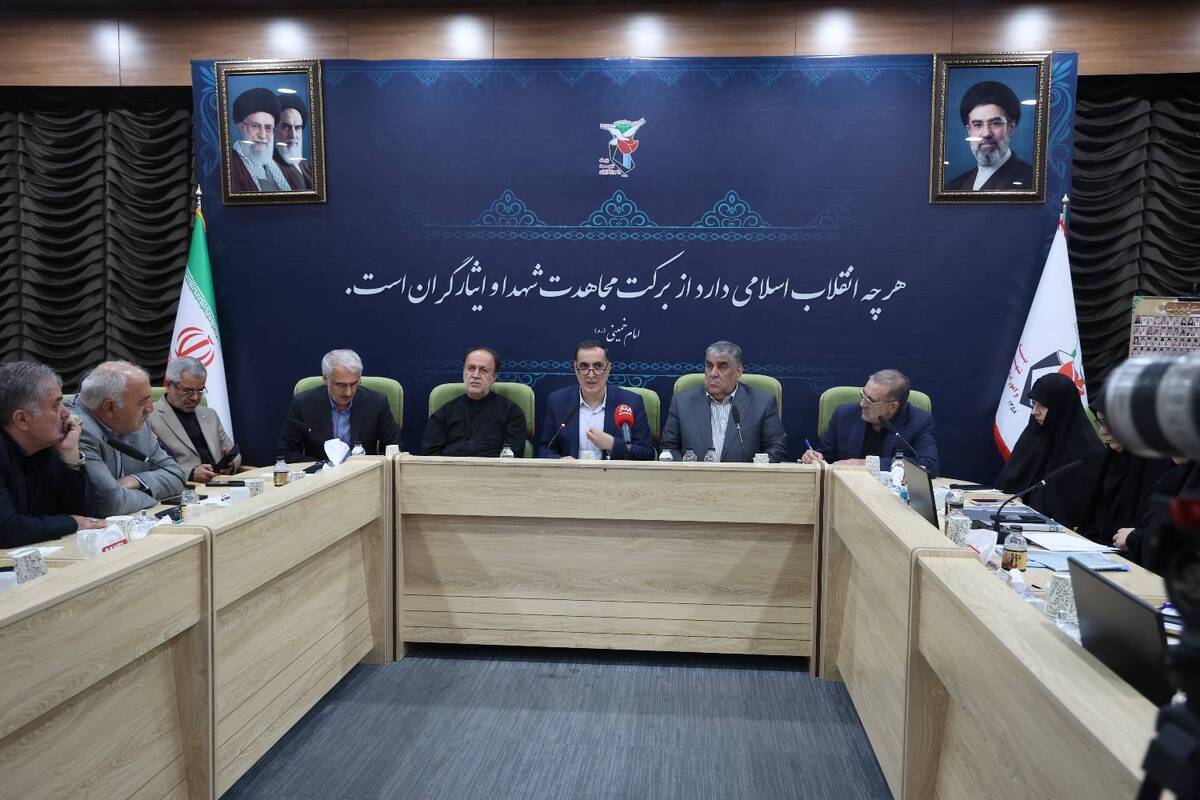
TEHRAN – In a strategic move to enhance service delivery to the veteran community, the Head of the Martyrs and Veterans Affairs Foundation, Vice President Seyyed Ahmad Mousavi, has called for a more robust institutional framework involving both the Iranian Parliament and the government. Speaking at a high-level meeting with the “Shahed and Veterans” Faction, Mousavi underscored that institutional synergy is no longer an option, but a necessity for “good governance” in managing the welfare of Iran’s most respected social group.
Bridging the Gap through Governance
The meeting highlighted a shift toward proactive administrative engagement. Mousavi characterized the Parliamentary Faction as a vital “communication bridge,” arguing that the quality and speed of resolving veteran-related issues—particularly in the critical sectors of housing and livelihood—are directly proportional to the strength of the Foundation’s cooperation with legislators.
To institutionalize this cooperation, the Vice President proposed a new mechanism of regular quarterly sessions with the Faction. This move aims to move away from ad-hoc problem-solving toward a structured, predictable, and efficient dialogue that can bypass bureaucratic hurdles and address the socio-economic needs of veterans more effectively.
Rapid Response and Crisis Management
The session also provided a window into the Foundation’s recent operational agility during periods of heightened conflict. Farideh Olvadghobad, Deputy Head for Cooperation and Social Affairs, detailed the organization’s rapid mobilization during recent crises, including the “Ramadan War” events.
A key highlight of the Foundation’s crisis response was the establishment of the “Ramadan War Headquarters,” a specialized task force comprising nine professional committees. These committees—ranging from medical and cultural to legal and financial—ensure a multi-dimensional approach to veteran support. Olvadghobad reported that the Foundation has successfully conducted over 7,800 field visits to the families of martyrs during the Ramadan conflict, a mission that saw significant collaborative support from Members of Parliament.
A Platform for Direct Dialogue
The meeting concluded as a two-way exchange, serving as a direct feedback loop for the veteran community. Representatives of the Shahed and Veterans Faction utilized the platform to bring grassroots concerns and localized issues directly to the Foundation’s leadership. This dialogue ensures that the administrative policies formulated in Tehran are closely aligned with the real-world challenges faced by veterans in their respective constituencies.