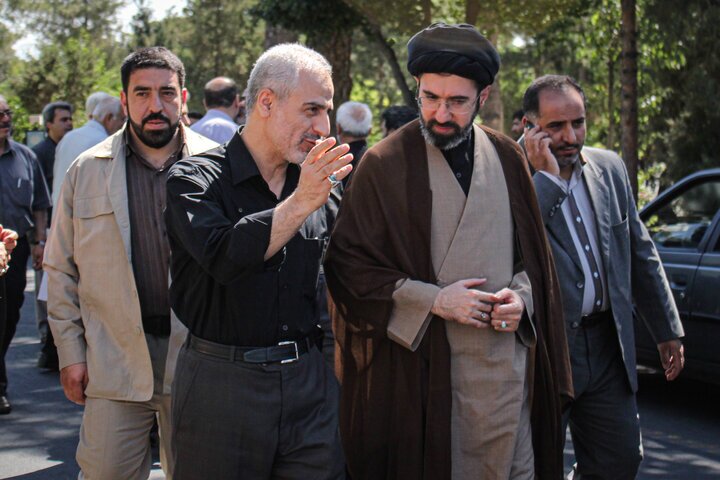
Unification of the Street and the Battlefield
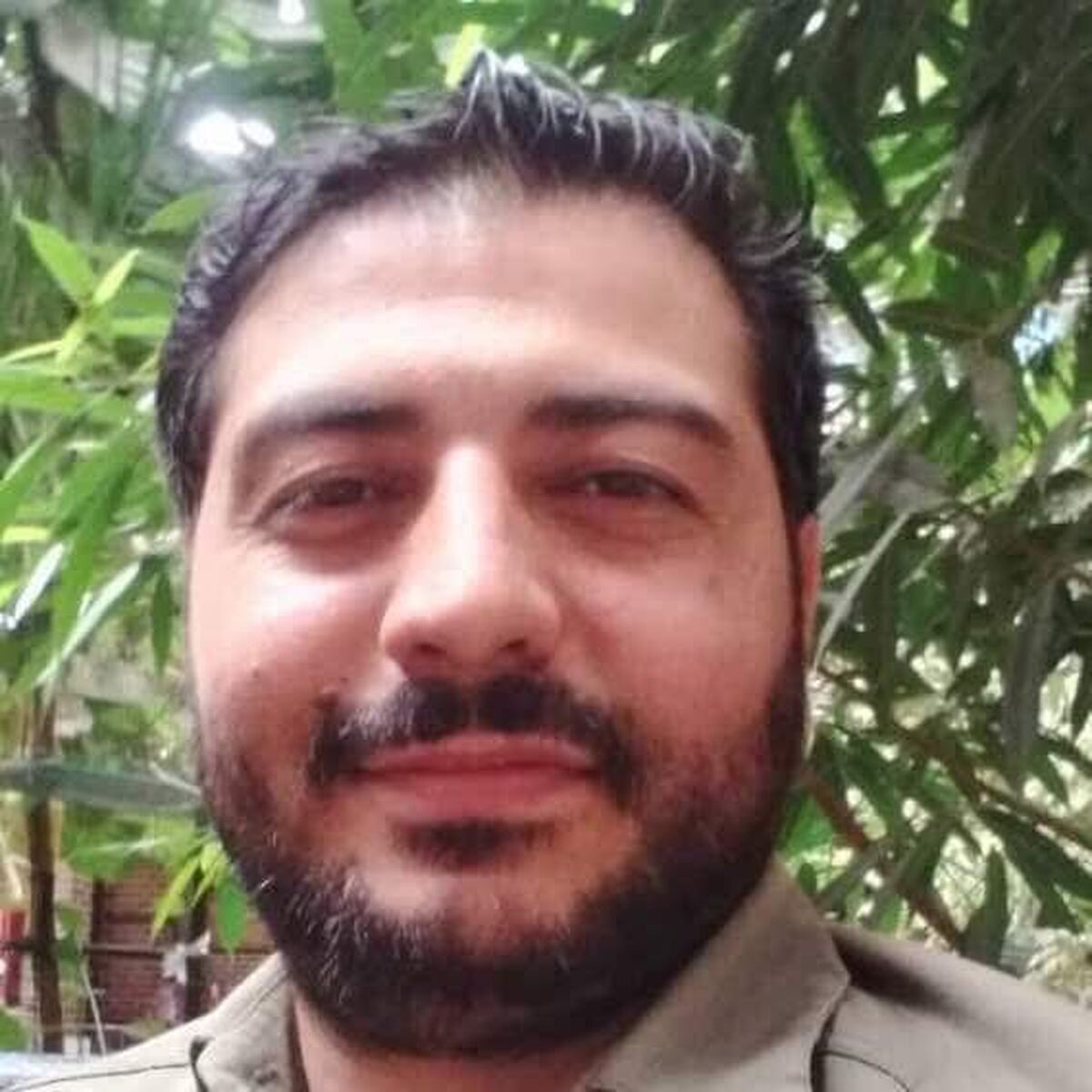
In the following article, Dr. Gholamreza Mansouri discusses sacrifice and resistance as the central axis of Iranian unity during the Third Imposed War — a culture rooted in the religious beliefs of the people.
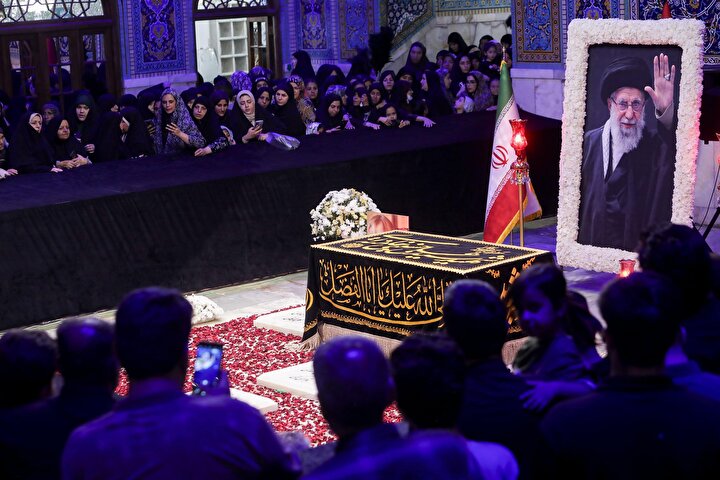
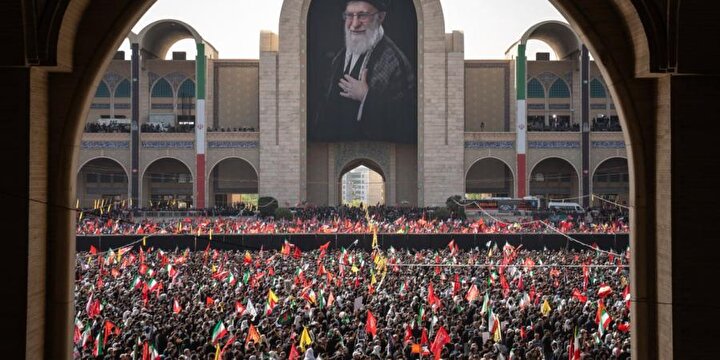
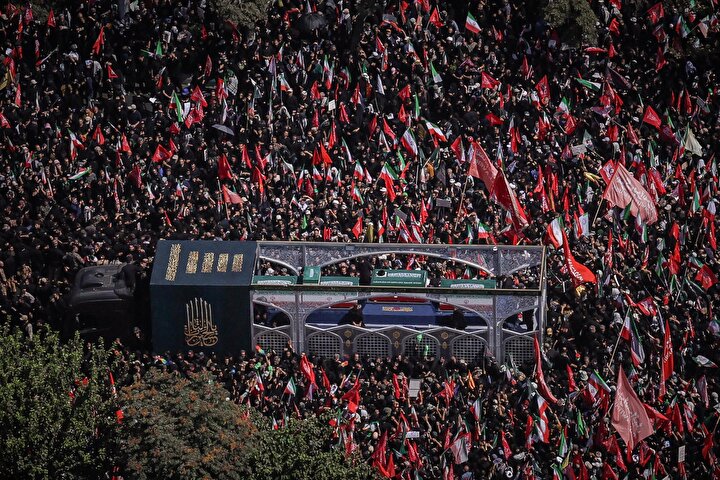
The most significant factor contributing to the failure of enemy aggression against our beloved Iran has been the realization of a sacred unity. This unity, rooted in the thought and legacy of the martyred leader of the Ummah, the great Ayatollah Imam Khamenei, mobilized all effective forces in the pursuit of victory. A precise and profound comprehension of the battlefield gave rise to an essential unity and shared motivation within the streets. This dynamic produced a rational understanding that all individuals—whether civilians, military personnel, or diplomatic figures—occupy the same position and are indistinguishable from one another on the front line.
It is unequivocally clear: there exists but a single front of aggression—the enemy—and on the opposing side stands a unified front, designated as Iran, nothing more and nothing less.
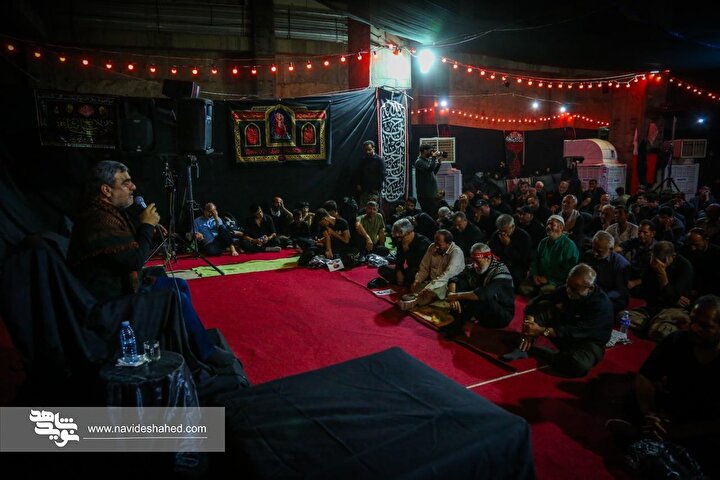
The axis of this unity lies in the sanctity of altruism, deeply embedded within Iranian culture and religious beliefs. This same principle that enabled the Iranian people to defeat the Iraqi invasion during the Sacred Eight-Year Defense now stands evident as the source of yet another triumph for the nation—this time against the aggression of the global system of exploitation.
Indeed, the culture of altruism and self-sacrifice represents the continuation of the prevailing ethos of the Eight-Year Defense, an ethos that inscribed an epic in the annals of Iranian history.
Today, the streets and the battlefield alike act in unison, guided by the thought of the martyred Imam, forming a united front against the enemy. It appears that his foreseen vision will soon be realized.